
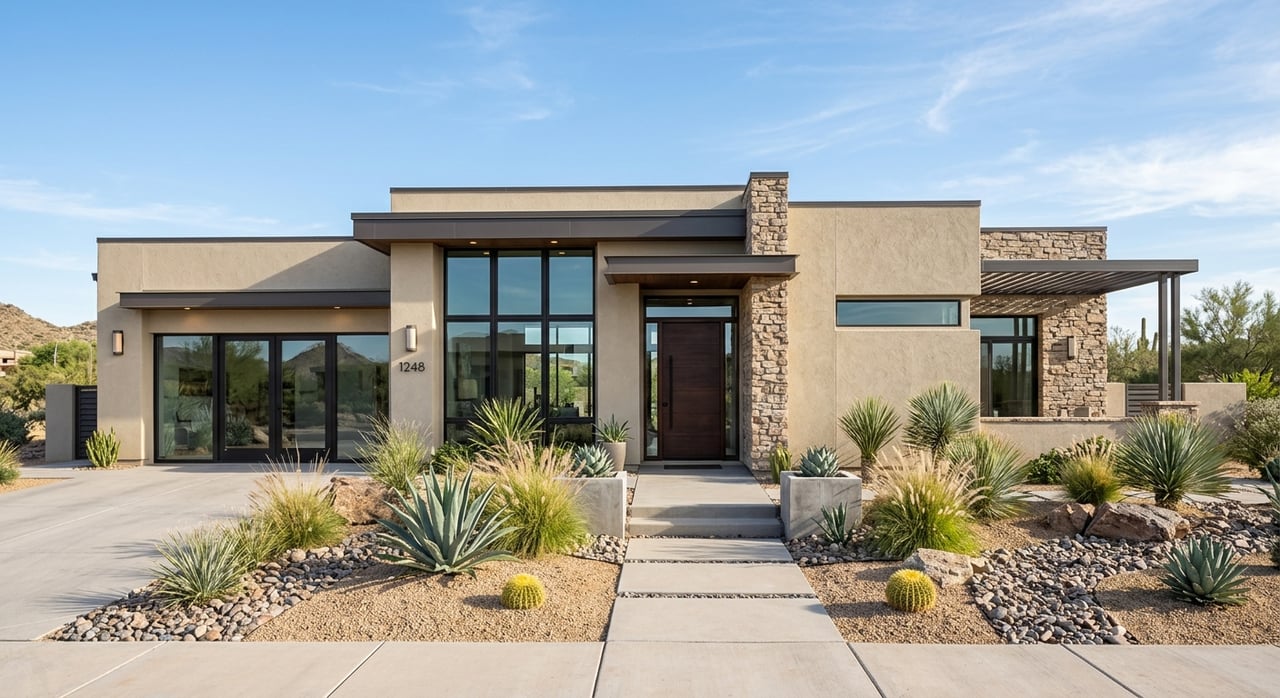
Is your Chandler home ready for the market, or just almost ready? In a fast-moving market, that difference can shape your price, your timeline, and how much stress you feel once showings begin. If you want to sell with confidence, the key is knowing where to focus before you list. Let’s dive in.
Chandler remains active, but it is not a market where you can rely on guesswork. Recent data across major housing platforms points to a median price right around $520,000, with homes selling in roughly 28 to 53 days depending on the source and the way each platform tracks activity.
That tells you something important. Buyers are still moving, but presentation and pricing discipline matter. If your home is priced too high or looks unfinished online, you may lose momentum early.
Current market data also suggests that many homes are not selling above asking. Redfin reports that the average home sells about 2% below list, and more than a third of listings had price drops. At the same time, strong listings can go pending in about 27 days.
The takeaway is simple: anchor your list price to recent Chandler comparable sales and your home’s actual condition. Avoid using broad county averages or choosing an aspirational number that is disconnected from what buyers are seeing in your immediate area.
It is tempting to jump straight into cosmetic updates. But before you spend money, you need a pricing strategy built around local comps, your property’s condition, and your target timeline.
A thoughtful pricing plan helps you decide what prep work is worth doing. If the market supports a clean, well-presented home at a competitive price, you may not need major upgrades to attract serious interest.
This matters because many sellers care about three things most: marketing, competitive pricing, and selling within a specific timeframe. In Chandler, those priorities work together. A home that launches with the right price and a polished presentation has a better chance of attracting strong early attention.
You do not need to overhaul everything before you sell. In most cases, the best return comes from visible, low-friction improvements that help your home feel clean, cared for, and easy for buyers to picture as their own.
For most Chandler sellers, a practical prep list includes:
These steps may sound basic, but they directly affect how buyers respond both online and in person. A tidy, bright, well-maintained home often performs better than a home with expensive updates but a distracting presentation.
If you are deciding where to spend first, start with anything that feels obviously unfinished. Scuffed paint, loose hardware, burnt-out light bulbs, stained grout, and overgrown landscaping can pull attention away from your home’s strengths.
Not every room carries the same weight. If you have limited time or budget, focus on the spaces that shape a buyer’s first impression and help them imagine daily life in the home.
According to NAR’s 2025 staging report, the most important room to stage is the living room, followed by the primary bedroom and kitchen. Dining rooms also commonly receive attention, while guest bedrooms and children’s rooms tend to matter less.
That is good news if you are trying to prepare efficiently. You can often make the biggest impact by concentrating on just a few high-visibility spaces instead of trying to perfect every corner.
A smart room-priority checklist looks like this:
Full staging can be helpful, but it is not always required. What matters most is whether your home photographs well, feels open, and helps buyers visualize themselves in the space.
NAR reports that 83% of buyers’ agents said staging made it easier for buyers to visualize a home. It also found that staging can increase the dollar value offered by 1% to 10% in some cases and may reduce time on market.
If full staging is not practical, partial staging or styling key rooms can still move the needle. Even simple steps like decluttering, cleaning, touching up paint, and improving curb appeal can create a stronger first impression.
Cost can also guide the decision. NAR reports median staging costs of about $1,500 for staging services, compared with about $500 when the listing agent handled staging. If you are balancing budget and impact, a focused approach may make the most sense.
Today, many buyers meet your home online before they ever step inside. That means your photos and virtual media are not extras. They are part of the first showing.
NAR reports that buyers’ agents rated photos, physical staging, video tours, and virtual tours as highly important to clients. It also found that one-third of buyers were more willing to walk through a staged home they first saw online.
This is why the order of operations matters. The heavy lifting should happen before photography, not after. If your home is not photo-ready on launch day, you risk missing the strongest wave of early buyer interest.
A smooth launch usually starts with planning, not rushing. In Chandler’s market, where homes can move within a matter of weeks, it helps to complete key prep work before your listing goes live.
A practical sequence looks like this:
This order helps you avoid last-minute decisions and keeps your marketing aligned with your pricing. It also gives buyers a more polished first impression from day one.
One of the easiest ways to reduce stress later is to organize disclosure paperwork before your home hits the market. In Arizona, the standard Residential Seller’s Property Disclosure Statement is completed by the seller, not by the REALTOR®.
While it is not described as a legal requirement in the research provided, the seller is obligated to deliver it within five days after contract acceptance. Getting familiar with it early can help you answer questions accurately and avoid scrambling once you are under contract.
Depending on the property, additional disclosures may also apply. Arizona law allows disclosure reports based on official maps for issues such as flood hazards, airport proximity, expansive soils, fissures, radon, and environmental hazards.
If your home was built before 1978, federal rules also require lead-based paint disclosure for most housing of that age. If your property is in an HOA or condominium community, association information and fees may also need to be addressed through the appropriate addendum.
If you are living in the home while selling, convenience matters. Showings are easier to manage when you have a simple system instead of reacting each time a request comes in.
Try setting showing windows that work with your routine. Keep a packed show-ready bin for everyday items, and create a quick exit plan for short-notice appointments.
If you have pets, plan ahead for where they will go during showings. If your weekdays involve pickups, work calls, or frequent errands, it also helps to think through how fast you can get the home back to show-ready condition.
Small systems can make a big difference once your listing is live. They help protect your schedule while keeping the home consistently ready for buyers.
A common question is how much to spend before listing. In most cases, the best answer is not to spend more. It is to spend smarter.
Prioritize updates that buyers notice quickly and that improve how the home shows in photos and in person. Cleanliness, light maintenance, fresh paint where needed, and strong presentation often do more for your sale than highly personalized upgrades completed right before listing.
If you are unsure where to draw the line, think in terms of friction. The goal is to remove distractions that make buyers hesitate. When your home feels cared for, appropriately priced, and easy to understand, it is much easier for buyers to act.
Preparing to sell in Chandler is not about doing everything. It is about doing the right things in the right order. Price with discipline, focus on visible improvements, stage the rooms that matter most, and get your paperwork organized early.
That kind of preparation can help you protect your time, reduce avoidable stress, and launch with confidence in a market that still rewards strong presentation. If you are thinking about your next move in Chandler, Timeless offers concierge-level guidance, local market insight, and a polished marketing approach designed to help you sell with clarity.
Real estate is more than a purchase— it’s a foundation for your future. Buy, sell, and invest with purpose, building generational wealth that endures. The choices you make today shape a legacy that stands the test of time.
7633 E ACOMA DR UNIT 208B SCOTTSDALE AZ 85260