
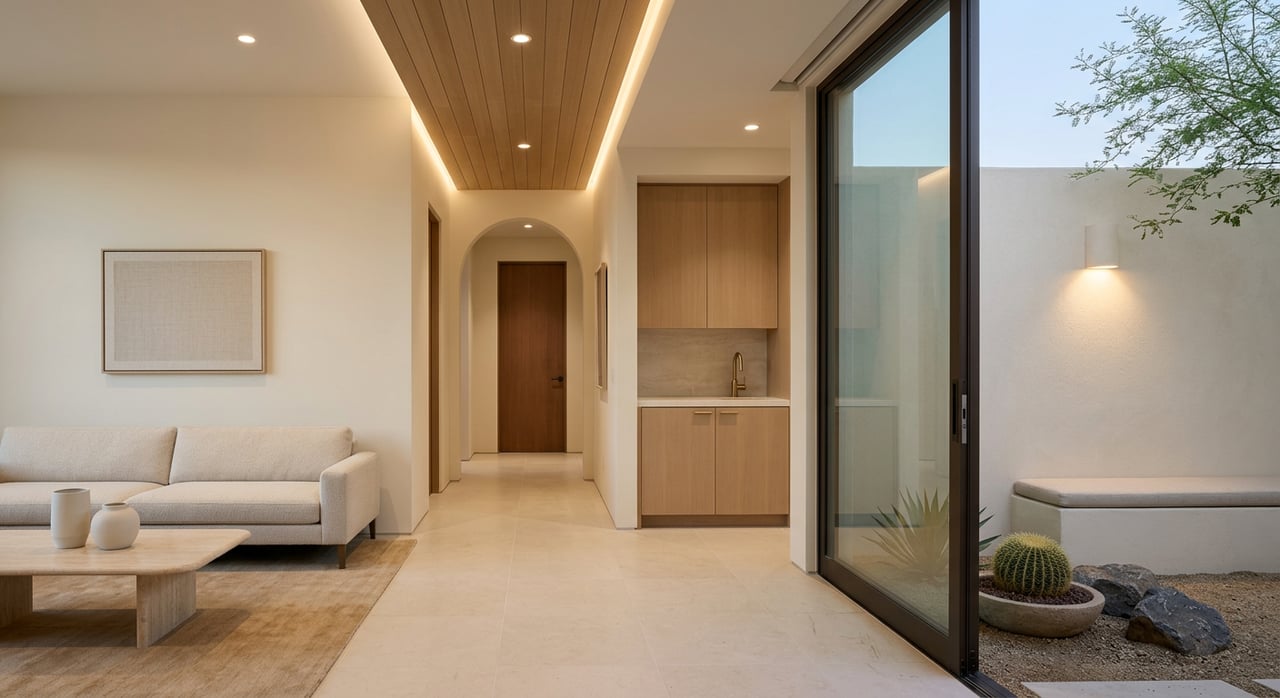
Sharing a home across generations is more common than ever in Phoenix. Maybe you’re planning space for a parent, helping an adult child launch, or simply building flexibility into your property. With the City of Phoenix opening the door to backyard casitas and a wave of buyer interest in dual-suite layouts, you have real options. In this guide, you’ll learn the data behind the trend, how local rules work, and the design moves that make multigenerational living comfortable and future-ready. Let’s dive in.
Multigenerational households have grown across the country. Using a broad definition, Pew Research Center reports that about 18% of people in the United States lived in some form of multigenerational family household by 2021, with financial pressures, caregiving, and cultural preferences as common drivers. Pew’s analysis helps explain why demand is so resilient.
The U.S. Census Bureau uses a narrower measure focused on three or more generations living together and counted 6.0 million multigenerational households in 2020. The Census also noted higher prevalence in parts of the West and South, which aligns with what you see across the Valley. The Census story is a helpful baseline for understanding definitions.
Locally, Maricopa County stands out. Reporting based on 2020 Census data shows about 7.8% of family households in the county, or roughly 85,000 households, were multigenerational under the Census family-household framing that year. Axios Phoenix highlights the local snapshot. With steady population growth and an active new-home market, designing for shared living here isn’t a niche idea. It is practical planning.
In September 2023, the Phoenix City Council voted to allow accessory dwelling units (ADUs), often called casitas or guesthouses, on single-family lots citywide. The adopted ordinance set size and height limits, included owner-occupancy provisions, and initially did not allow both the main home and ADU to be rented separately. Local coverage of the city vote outlines the framework and community goals.
Short-term rental rules add another layer. Phoenix originally restricted ADUs from short-term rental use, and a 2024 Arizona state law has since complicated municipal control of these restrictions. This is a live policy issue, and rules can shift. Before you build or buy with a rental strategy in mind, review the latest city and state guidance. This Phoenix STR guide summarizes key changes and dates.
An attached suite creates a private living zone inside the main home. Think bedroom, bathroom, living area, and often a kitchenette with either a lock-off or a separate exterior entry. You get real privacy while keeping permitting simpler because the space is part of the primary dwelling. For many families, this is the most cost-efficient path to independence and closeness.
A detached unit is a fully separate structure with its own kitchen and bath. It works well for long-term independence, caregiver space, or rental income when allowed. Program sizes of 400 to 1,200 square feet are common nationally, with many Phoenix builders offering turnkey packages in the 500 to 1,000 square foot range. Costs and timelines differ from attached suites, so plan accordingly. National ADU cost benchmarks and local builder timelines and pricing snapshots can help you scope feasibility.
Start with a private sleeping area and an ensuite bathroom. Dignity and daily comfort depend on it, especially when multiple adults share a home. If you expect long-term independent living, a full kitchen is often the right call. Practical in-law suite guidance underscores why these elements matter.
Match the kitchen to the intended use. A kitchenette with a fridge, microwave, and sink can be perfect for short stays. For independent living or rental, a full kitchen with a range, oven, and proper ventilation is typically needed. Permitting and utility requirements often hinge on the presence of a full kitchen, so this decision affects design and approvals. ADU cost guides are a helpful reference when scoping utilities.
Plan for independent HVAC zoning and, if feasible, a dedicated laundry for the suite. Separate systems improve comfort and can simplify utility cost-sharing if you later rent the space. Small touches like quality door seals and sound-insulated walls reduce noise transfer and make side-by-side living feel calm and private.
Add closets, a small drop zone, and a simple path from parking to the suite. Clear circulation supports mobility and makes everyday routines easier for older adults, caregivers, and busy families.
Build in universal design features now to avoid costly retrofits later. Prioritize a zero-step entry, 36-inch clear doorways, lever-style handles, and a curbless or roll-in shower. Reinforce shower and toilet walls for future grab bars, and choose non-glare lighting for comfort and safety. These elements make the space usable across life stages and are widely recommended in AARP’s HomeFit guidance.
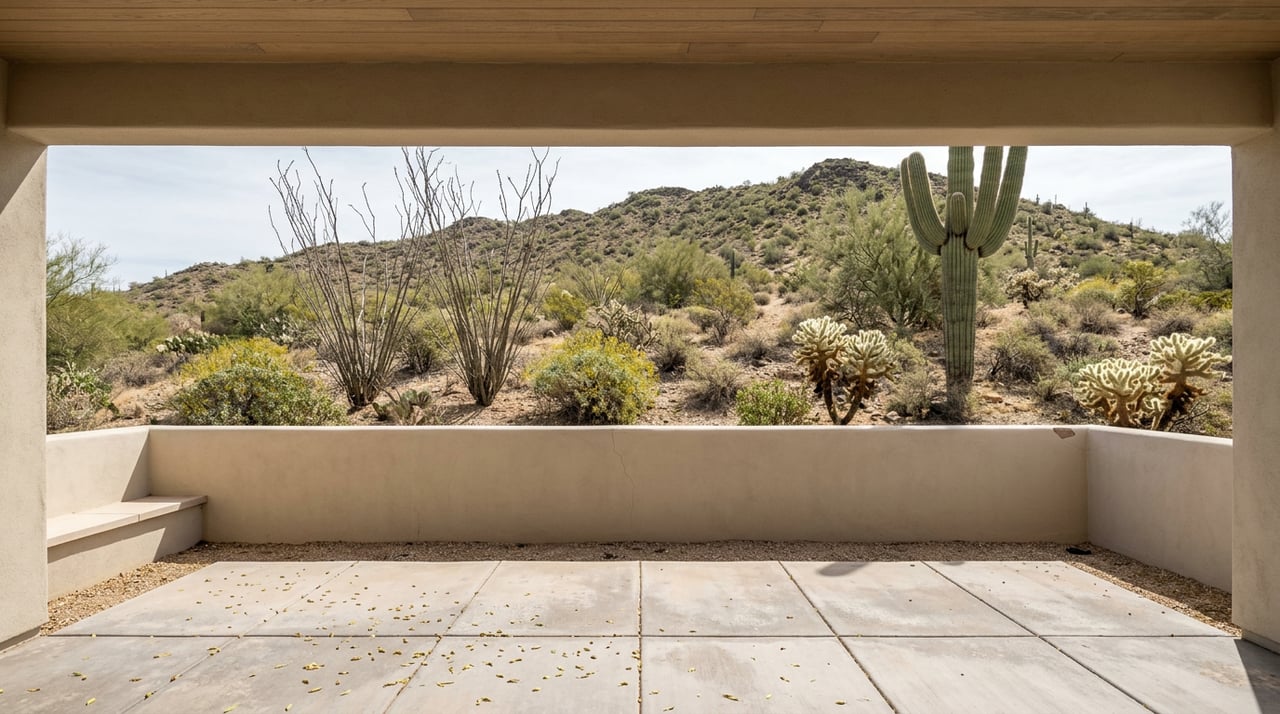
In Phoenix, shade is a design strategy. Covered patios, pergolas, and thoughtful tree placement extend outdoor time during warm months and create separate retreats for each household. Position glazing and outdoor living areas to reduce west-facing heat gain, and consider ceiling fans or misters to improve comfort. Low-water xeriscaping keeps maintenance and utility costs in check while adding privacy layers.
Budget ranges vary by site and scope, but national surveys provide helpful context. Detached ADUs often range from about 60,000 to 285,000 dollars nationally, with many projects landing around 150 to 300 dollars per square foot. Conversions can cost less, while large detached builds trend higher. See Angi’s ADU cost guide for planning-level figures.
Local turnkey packages for small detached casitas of roughly 500 to 600 square feet commonly start near the mid-100s and often total higher once site work and upgrades are added. Many Phoenix design-build teams quote permitting timelines around 2 to 4 months, followed by about 3 to 6 months of construction. That puts realistic project windows in the 6 to 9 month range for a compliant, detached unit. Local coverage of ADU pricing and timelines offers a useful snapshot.
Families often build ADUs or suites for reasons that go beyond spreadsheets, like caregiving and long-term flexibility. On the financial side, value varies by neighborhood and how appraisers weigh comparable sales and income potential. Documenting permits, final inspections, and any rental history can help at resale. Because outcomes differ by market, use conservative rent and occupancy assumptions, and consult locally on property tax and insurance impacts. A summary of appraisal perspectives on ADU value shows wide variability by case, which is why local comps matter most. This overview of ADU value dynamics is a good primer.
Use these quick checks before you buy or build.
Designing for multigenerational living is about choice, comfort, and legacy. Whether you favor an attached suite with a private entry or a detached casita with a full kitchen, the right plan can support your family today and adapt to what comes next. Start with the zoning and permitting basics, pick the suite type that fits your goals, and invest in privacy, accessibility, and shade-forward outdoor living.
If you’re weighing homes with casitas, hunting for a lot with ADU potential, or preparing to sell a property with a dual-suite layout, you do not have to navigate it alone. For tailored buyer representation, investor guidance, or a data-backed property valuation, connect with the team at Timeless. Schedule a Consultation & Get a Free Home Valuation.

Real estate is more than a purchase— it’s a foundation for your future. Buy, sell, and invest with purpose, building generational wealth that endures. The choices you make today shape a legacy that stands the test of time.
7633 E ACOMA DR UNIT 208B SCOTTSDALE AZ 85260