
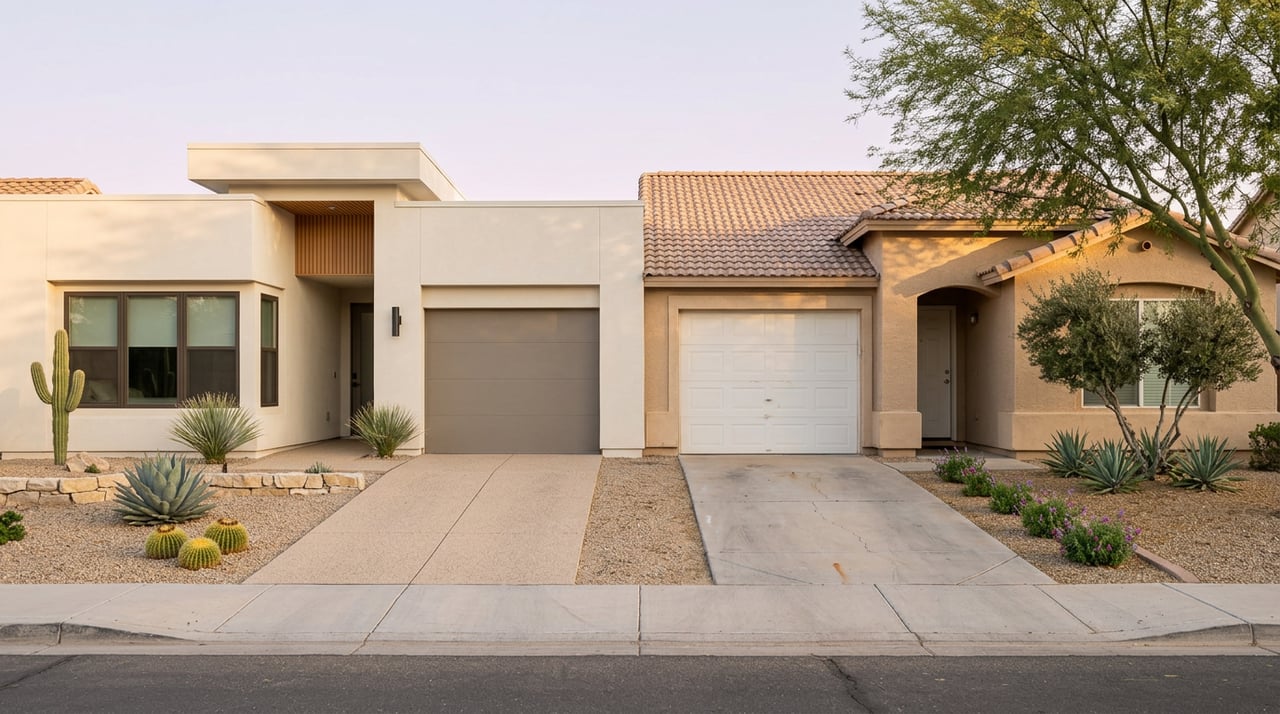
You are choosing between the excitement of a brand‑new build and the comfort of a move‑in‑ready resale in Chandler. Both paths can work well here, but the right choice depends on your timeline, budget, and how you want to live. In this guide, you will see how timelines, costs, neighborhoods, warranties, and financing differ so you can decide with confidence. Let’s dive in.
Chandler’s pricing sits in the low‑to‑mid $400Ks to $500Ks, with early‑2026 trackers showing a Redfin median sale price near $489,250 and a Zillow home‑value index around $516,000. These sources use different methods, so treat them as signals rather than exact numbers. Local inventory has improved from prior tight conditions, which often gives buyers more leverage. That said, speed to possession still typically favors move‑in‑ready resale homes, while new builds can shine when builders offer incentives.
A typical single‑family new build averages about 10 months from permit to completion, based on national reporting on build times. Quick‑move‑in or spec homes can shorten that timetable if you want new construction without the full wait. Industry data on build durations is a helpful benchmark when you plan for temporary housing, lease endings, or a relocation window.
In Chandler, permitting, system development fees, utility hookups, and site improvements can affect a builder’s schedule. City discussions and planning updates show that fee structures and infrastructure work move on defined calendars, which may influence delivery dates and what gets passed through to buyers. Ask the builder whether current system development or impact fees are included in the price or added later, and request a sample build schedule with milestone dates. You can review recent city meeting materials to understand the local context for these fees and timelines at this City of Chandler resource.
If you need keys sooner, a financed resale usually closes in about 30 to 45 days from contract acceptance, depending on appraisal, underwriting, title, and your lender’s queue. A clear breakdown of typical steps and durations can be found in this closing timeline overview. Federal rules also require a minimum three business‑day window between your Closing Disclosure and consummation, which your lender must honor. See the CFPB’s TRID disclosure FAQs for the timing details.
Bottom line on timing: if you have a fixed move date, a resale or a quick‑move‑in new home is often your safer path. If you can flex, a to‑be‑built home offers more choice in plans and finishes.
New construction lets you personalize floorplans, finishes, and sometimes minor layout choices. Most builders publish a base price for each plan, then layer on lot premiums and upgrade packages. Model homes often showcase upper‑tier finishes that are not included in the base, so you will want to clarify what is standard versus optional and build a realistic upgrade budget.
Many builders follow a common warranty pattern often called 1‑2‑10: typically one year for workmanship, two years for major systems, and 10 years for structural coverage. Review coverage terms, claim procedures, and whether the warranty is transferable. A quick overview of how these programs are framed is available in the 2‑10 Home Buyers Warranty brochure.
Even with warranties, you should plan independent inspections. Best practice includes a pre‑drywall inspection, a final inspection before closing, and an 11‑month inspection to catch items before workmanship coverage expires. Learn more about common new‑construction inspection checkpoints from this inspection guide.
Your financing path may differ from a standard home purchase. Some buyers use construction‑to‑permanent or one‑time‑close loans, which change underwriting, draw inspections, and documentation. Confirm your lender’s requirements before you sign a build contract and ask how appraisals will handle plans and upgrades. You can review a consumer‑friendly overview of single‑close construction loans here: FHA construction‑to‑permanent basics.
Resales offer faster occupancy and a clear transaction path. You also see how the home lives within an established street scene, with mature landscaping and a history of comparable sales. You may negotiate on price or credits depending on the listing and market conditions. Factor in the possibility of near‑term system replacements, which can offset a lower purchase price.
Arizona resale contracts typically call for a Seller Property Disclosure Statement. You should still order independent inspections, since disclosures reflect seller knowledge but are not warranties. Read more about the SPDS timing and role in the Arizona Association of REALTORS materials: AAR contract series overview.
Chandler offers both kinds of neighborhoods. Master‑planned communities like Ocotillo and Fulton Ranch feature planned amenities, coordinated landscaping, and homeowners associations. These areas may still see ongoing phases of parks, roads, or retail after initial home sales. Established neighborhoods often provide mature trees, stabilized traffic patterns, and a long resale history, which can help with valuation. The tradeoff is that older homes may ask for earlier system updates.
HOA fees in Chandler vary widely by community and amenity level. Some associations focus on common‑area care with modest monthly dues, while amenity‑rich or gated communities can run higher. Always review the budget, reserves, rules, and any current or contemplated special assessments before you commit.
Arizona property taxes reflect county assessments and the local tax components where you live. Maricopa County issues annual Notices of Value and explains how Full Cash Value and Limited Property Value work. Before you compare neighborhoods, check how each property’s values and rates are trending with the Maricopa County Assessor’s resources.
Chandler Unified School District offers a variety of academic programs and open enrollment options. Review the district’s site for enrollment policies and programs if school choice matters to you. Chandler’s employment base includes notable technology and manufacturing anchors along corridors like Price Road, which can factor into your commute and long‑term housing demand.
In many markets, new builds list slightly higher on a per‑square‑foot basis than comparable resales. Incentives can change that equation. Builders may offer rate buydowns, closing‑cost credits, or upgrade packages that lower your upfront or monthly expenses. Newer codes and systems can also reduce early operating costs, particularly in the first ownership years. Resales can deliver value through price, location, and yard size, but you should budget for near‑term maintenance items like roofs, HVAC, and window replacements.
As you compare, build two budgets:
Whether you lean new or resale, you deserve a plan that protects your time and budget. Our team helps you compare communities, surface true costs, and negotiate with confidence, from first tour to closing. If you want a clear, low‑stress path into your next Chandler home, connect with Timeless for a personal consultation.
Real estate is more than a purchase— it’s a foundation for your future. Buy, sell, and invest with purpose, building generational wealth that endures. The choices you make today shape a legacy that stands the test of time.
7633 E ACOMA DR UNIT 208B SCOTTSDALE AZ 85260