
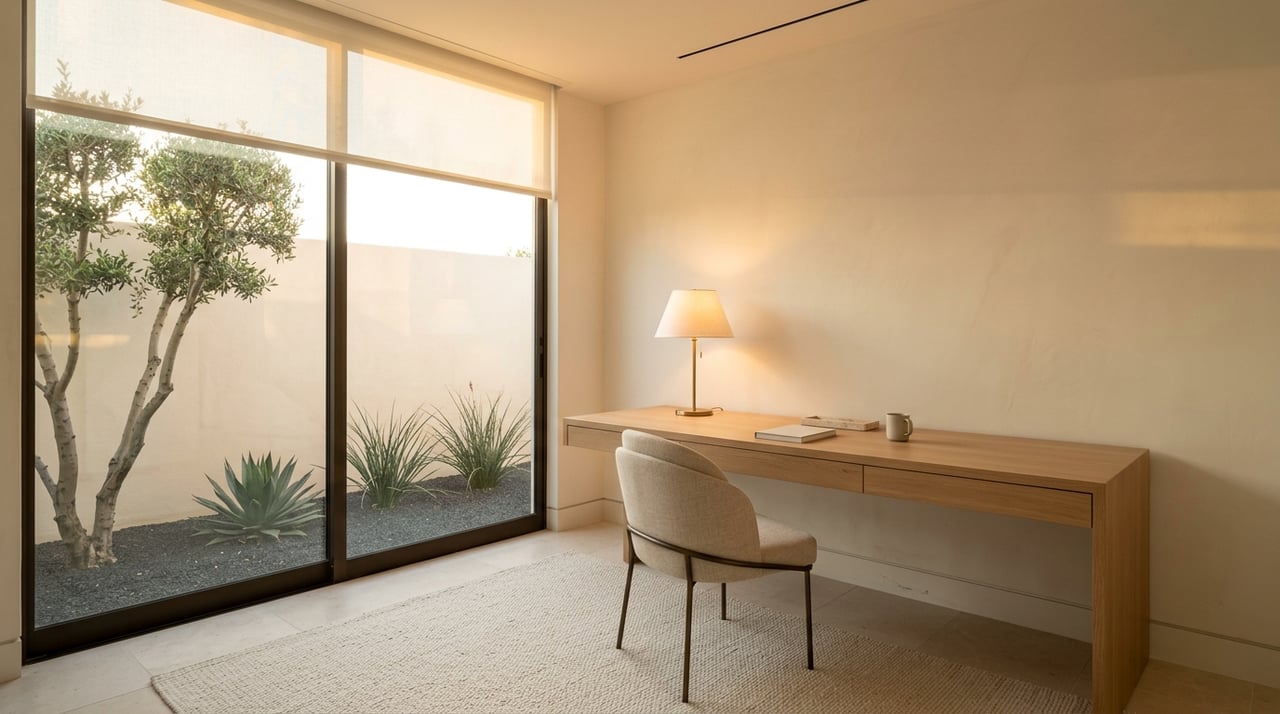
Relocating to Tempe can feel exciting and overwhelming at the same time. You may be juggling a new job, a move timeline, financing, and a home search in a city that packs a lot into just 42 square miles. The good news is that with the right plan, you can make smart decisions without feeling rushed. This playbook will help you understand Tempe’s market, narrow your search, and move forward with more confidence. Let’s dive in.
Tempe offers a rare mix of access, employment, and lifestyle in the middle of metro Phoenix. The city estimates a 2024 population of 190,114, sits about 10 minutes from Phoenix Sky Harbor, and has five freeways and eight light rail stops. It also supports more than 210,000 jobs, which helps explain why so many buyers keep Tempe on their shortlist.
The city’s economy is broad, with strength in advanced business services, advanced manufacturing, healthcare and biotechnology, hospitality and tourism, and technology. Tempe also says about 20% of jobs are tech-related and about 20% of companies are tech companies. Add Arizona State University’s Tempe campus and Tempe Town Lake, and you get a city with an active, connected, university-influenced feel.
Tempe Town Lake is also more than a backdrop. The city says it supports flood protection, recreation, and economic vitality, while drawing more than 2.4 million visitors each year and hosting more than 40 special events annually. Ongoing work in the Mill Avenue area also points to continued investment in the urban core.
If you are moving from out of town, it helps to know that Tempe is not a market where you want to wing it. Recent March 2026 snapshots show an active market, not a soft one. Zillow reported an average Tempe home value of $468,281 and 26 days to pending, while Redfin reported a $480,000 median sale price and 51 days on market.
Realtor.com described Tempe as a seller’s market, with homes selling about 1.26% below asking on average. That does not mean every home moves at the same pace. It does mean you should be ready with a plan, a budget, and a clear sense of what trade-offs you are willing to make.
One of the biggest relocation mistakes is searching by city name alone. Tempe is organized into eight city character areas: Papago/North Tempe, Diablo/Double Butte, Downtown Tempe/Rio Salado/ASU/NW Neighborhoods, Apache, Alameda, Southwest Tempe, Kiwanis/The Lakes, and Corona/South Tempe. Each area can offer a different daily rhythm, commute pattern, and housing feel.
The city’s planning framework emphasizes a 20-minute city with pedestrian, bike, and transit connections. That means your location decision should go beyond price and bedroom count. You should also compare how each area supports your commute, errands, recreation, and day-to-day convenience.
Transit is not a small detail in Tempe. The city says it has 13 bus routes, two express routes, one free Flash route, six free Orbit circulators, nine light rail stops, and a 3.1-mile streetcar with 14 stops. In some parts of Tempe, that can make car-light living much more practical.
If you want flexibility in your routine, transit access should be part of your home search from the start. A home that looks similar on paper can feel very different when one location gives you simpler access to work, dining, campus, or the airport. For many relocation buyers, that daily convenience becomes a major quality-of-life factor after move-in.
North and central Tempe buyers should also look at aircraft-noise exposure before writing an offer. Tempe says it has an agreement with Phoenix to mitigate Sky Harbor departure noise and notes that eight of the airport’s 20 fixed noise-monitoring sites are in North Tempe. The city also directs residents to flight-tracking and complaint tools.
This does not mean those areas are off the table. It simply means you should treat noise as a location-specific due diligence item. If you are buying from out of state, a live video tour at different times of day can help you evaluate what a setting feels like beyond the listing photos.
If school logistics matter to your move, avoid broad assumptions. Tempe’s city education page says the city has three public school districts and two post-secondary institutions, including Arizona State University’s main campus and Rio Salado College’s headquarters and community classrooms. In practice, that makes school assignment an address-level question, not just a city-level one.
This is especially important because boundaries are changing. Tempe Elementary says its address lookup is only valid for the 2025-26 school year and directs families to transportation for 2026-27. Kyrene says its boundaries are changing in 2026-27 and 2027-28, and Tempe Union uses attendance boundaries with open-enrollment options.
A smoother move usually starts well before your first showing. If you are financing the purchase, getting preapproved early can help you understand your budget and show sellers that you are serious. The CFPB also notes that buyers can shop for loan options and homes at the same time.
Timing matters here. Preapproval letters are often valid for only 30 to 60 days, so you should line that step up with your expected move date. If your transfer, lease end, or job start is still several months out, it may make sense to map your timeline first so your paperwork stays current when you are ready to act.
Long-distance buyers often need to cover a lot of ground before they ever get on a plane. That is where a disciplined virtual strategy becomes valuable. The National Association of Realtors’ 2025 staging report found that buyers’ agents considered photos, videos, and virtual tours important, and said clients often expected a median of 20 homes viewed virtually before buying.
The key is to stay structured. Virtual tours should help you eliminate weak options, compare layouts, and prepare better questions. They work best when paired with live video walkthroughs, floor plans, and quick follow-up so your in-person trip, if needed, focuses only on the strongest candidates.
Buying from a distance should never mean skipping the details that protect you. The CFPB recommends using an inspection clause so a serious flaw or financing issue does not force a purchase. It also encourages buyers to ask about flood and disaster risk before making an offer.
In Tempe, that matters because location-specific conditions can shape your experience in a home. Tempe Town Lake is part of the city’s flood-protection system, and aircraft-noise exposure varies by area. A careful review of inspections, property condition, and location-specific factors can help you avoid surprises after closing.
Sometimes the cleanest move is not the fastest closing. If your job starts before the right home is available, or if your sale and purchase timelines do not line up, a short-term landing plan can take pressure off your decision-making. That flexibility can keep you from settling for the wrong home just to meet a date.
Tempe has a meaningful renter base, which can support temporary options. Census QuickFacts shows an owner-occupied housing rate of 41.6%, and Zillow’s March 2026 Tempe rent snapshot showed an average rent of $1,683. For some households, that makes a short-term rental or temporary stay a practical bridge.
If you are also selling a home, your Tempe move needs one integrated plan. The CFPB notes that buying and selling are both expensive processes involving fees, taxes, and commissions, and that a mortgage closing typically happens at the same time as ownership transfer. In other words, sale proceeds, earnest money, movers, and closing dates all need to line up.
This is where a clear process matters. Mapping out timing before you write an offer can help you avoid cash-flow surprises and rushed decisions. It can also help you decide whether you need a rent-back, a temporary stay, or a longer overlap window between homes.
A relocation move usually involves more people, more timelines, and more chances for friction. The CFPB’s closing guidance emphasizes reviewing documents before closing, and its eClosing guidance notes that digital closing can improve understanding and efficiency. When you are moving across cities or states, that kind of organization can save time and reduce avoidable stress.
A team-based, hands-on approach can be especially helpful here. Keeping the lender, title company, inspector, and moving schedule aligned gives you a more reliable path from contract to keys. That support matters even more when you are trying to manage work, travel, and a move at the same time.
For buyers whose Tempe purchase depends on selling a current home, preparation on the selling side matters too. The National Association of Realtors’ 2025 staging report found that buyers’ agents considered photos, videos, and virtual tours important, and said staging often makes it easier for buyers to visualize a property as their future home.
That does not always mean a major overhaul. Often, a clean media package, thoughtful presentation, and a focused launch strategy can help reduce friction and support your timeline. If your move depends on proceeds from a sale, every step that improves clarity and buyer response can make the next purchase easier to manage.
Once you close, your priorities shift from searching to settling in. Tempe maintains Neighborhood Services and a New Resident Directory of Services, which can be useful as you get oriented. That kind of local information can help you move from transaction mode into daily life more smoothly.
Relocation is not just about buying a house. It is about building a routine that works for your household, your commute, and your long-term plans. With the right strategy, your move to Tempe can feel less reactive and far more intentional.
If you are planning a move to Tempe, Timeless offers relocation support, virtual consultations, buyer representation, and full-service transaction coordination to help you move with clarity and confidence.

Real estate is more than a purchase— it’s a foundation for your future. Buy, sell, and invest with purpose, building generational wealth that endures. The choices you make today shape a legacy that stands the test of time.
7633 E ACOMA DR UNIT 208B SCOTTSDALE AZ 85260