
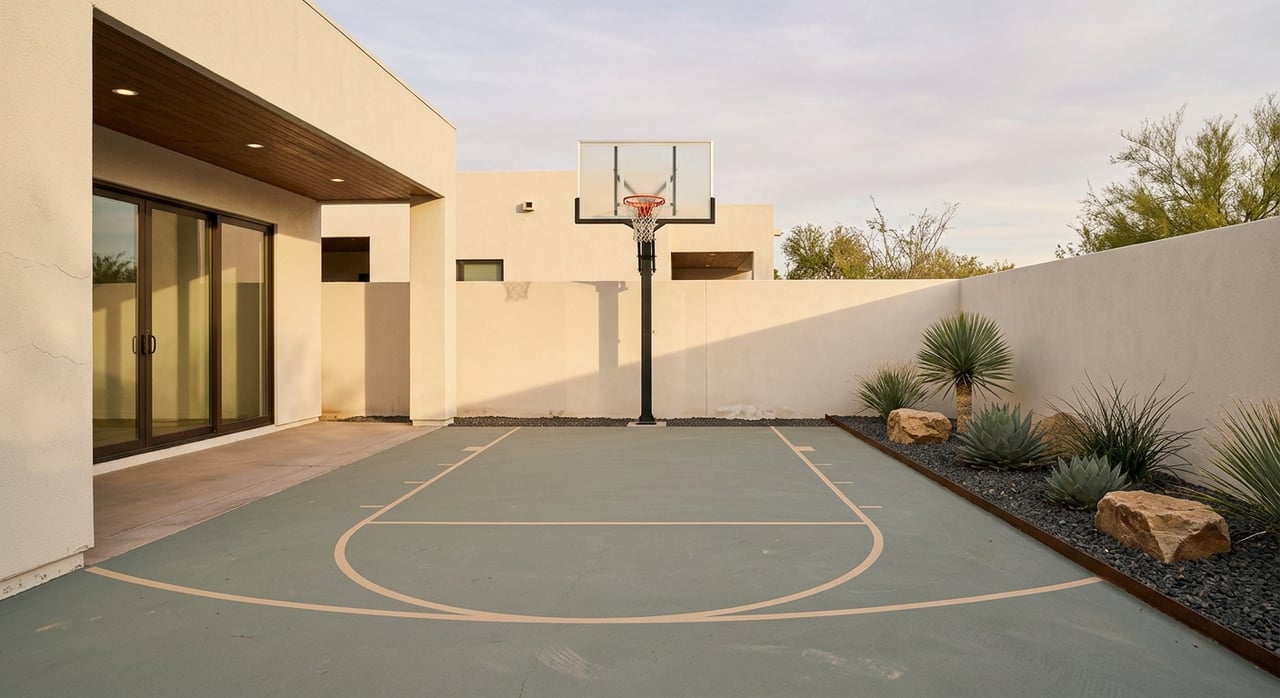
Looking for an Arizona city where your weekend plans can start with a trail, a ballfield, or a day on the water? Peoria stands out for exactly that reason. If you want a home base that supports an active routine without Scottsdale-level pricing, Peoria offers a strong mix of recreation, suburban housing, and everyday convenience. Let’s take a closer look at how homes, parks, and daily rhythm come together here.
Peoria is not just a place where parks happen to exist. Its public amenities shape how many people use the city day to day. Current city and tourism information highlights 36 neighborhood parks, three large community parks, and 27 miles of public trails.
That trail system includes about 12.5 miles along New River, 5.7 miles along Skunk Creek, and 11.25 miles of mountain hiking trails. Taken together, those numbers help explain why Peoria often feels more recreation-forward than a typical commuter suburb. Outdoor access is built into the city’s layout.
Some parks simply serve a block or two. In Peoria, several larger park destinations help set the tone for how you might spend an afternoon, evening, or weekend.
Rio Vista Community Park & Recreation Center is a 52-acre indoor and outdoor facility. It includes an urban lake, recreation center, skate park, splash park, volleyball courts, softball fields, and a walk/jog path.
For buyers, that matters because a nearby home can mean easier access to casual exercise, pickup games, and family outings without needing a long drive. It adds a practical lifestyle benefit, not just a nice feature on a map.
Pioneer Community Park is another major anchor with six lighted baseball and softball fields, four multipurpose fields, a fishing lake, pickleball courts, and an off-leash dog park. If your routine includes evening field use or weekend sports, this kind of park access can shape where you want to live.
Lighted facilities also support a later-day rhythm. In a warm-weather market like metro Phoenix, that can be especially useful when many residents prefer outdoor time outside the hottest hours.
Paloma Community Park, which opened in 2020, is Peoria’s third community park. Its addition reinforces the city’s long-term investment in public recreation and gives residents another large shared amenity in the local park network.
If one feature defines recreation in north Peoria, it is Lake Pleasant Regional Park. Maricopa County describes it as a 23,362-acre park with camping, boating, fishing, swimming, hiking, picnicking, and wildlife viewing.
The lake itself can vary widely in size, from more than 3,000 acres to almost 10,000 acres at full pool. Visit Peoria also notes access to two marinas, plus boat and watercraft rentals, along with kayaking, paddleboarding, and water-skiing opportunities.
For many buyers, this is the difference between a standard suburban move and a lifestyle move. You are not only choosing a house. You are choosing whether easy access to lake days, scenic drives, and outdoor weekends is part of your normal rhythm.
Peoria also has a strong organized sports presence, anchored by the Peoria Sports Complex. The facility opened in 1994 as the first two-team spring training baseball facility, covers 145 acres, and seats 12,518 at Peoria Stadium.
It is home to the San Diego Padres and Seattle Mariners, but the draw goes beyond spring training. The complex also hosts year-round player development and public and private events, which helps keep the area active across seasons.
If you enjoy having major community events nearby, this is an important part of Peoria’s character. It adds energy to the city calendar and gives the area another recognizable lifestyle marker.
One of the most useful ways to understand Peoria is to think about when people actually use its outdoor spaces. The city’s trail guidance lists mountain trails as open from sunrise to sunset, river trails from sunrise to 10:30 p.m., and trailheads from 6:00 a.m. to 10:30 p.m.
That schedule points to a clear local pattern. In practice, Peoria supports an early-morning and evening outdoor lifestyle, with activity centered on trails, parks, fields, and water access rather than all-day outdoor use.
If you are relocating from another region, that is a helpful mindset shift. Your ideal home search may not just be about square footage or finishes. It may also be about how quickly you can get to a trailhead before work or a park after dinner.
Peoria’s housing pattern is suburban, but it is not all the same. The city’s planning framework includes everything from estate residential at 0 to 2 units per acre to high-density residential at 15 or more units per acre.
In between, the city identifies low-density, medium-density, and medium-high-density categories. The medium-density category specifically includes detached homes, attached homes, townhomes, patio homes, and some multifamily options.
In real terms, that means your options can vary a lot depending on where you focus. Some parts of Peoria offer larger-lot detached homes and a more spacious feel, while other areas include more compact neighborhoods or attached housing formats.
That mix helps explain why one section of Peoria may feel open and traditionally suburban, while another can feel more planned, compact, or village-like. For buyers, this is a plus because it creates more ways to match your budget and lifestyle priorities.
The Lake Pleasant Heights specific-area plan covers 3,268 acres in north-central Peoria and is described as a mixed-use master development aiming for a diversity of housing types while staying desert-sensitive. That signals continued variety in how residential growth may take shape in this part of the city.
If you are searching with long-term resale in mind, it can help to look at not just the current home inventory, but also the broader development pattern around it.
Peoria’s 2020 to 2024 QuickFacts profile shows a 76.0% owner-occupied housing unit rate. That is a meaningful indicator for buyers who want a city with a strong ownership base.
The same data shows a median value of owner-occupied housing units of $463,600 and a median gross rent of $1,843. Those figures suggest a market that is clearly suburban and largely owner-occupied, but not priced like the top tier of the Valley.
If you are weighing multiple Phoenix-area cities, Peoria becomes easier to understand in comparison.
Scottsdale’s 2020 to 2024 QuickFacts profile shows a 67.0% owner-occupied rate and a median owner-occupied value of $789,800. That makes Scottsdale the higher-price comparison.
Lifestyle-wise, Scottsdale is often associated with preserve access and a more established high-end market. Peoria, by contrast, offers a recreation-focused lifestyle with a more suburban housing pattern and lower median owner-occupied value.
Phoenix’s 2020 to 2024 QuickFacts profile shows a 57.3% owner-occupied rate and a median owner-occupied value of $420,700. Phoenix also has a much larger urban park system, with more than 41,000 acres of desert parks and mountain preserve land, 200-plus miles of trails, and 187 parks.
The difference is not that Phoenix lacks recreation. It is that Peoria feels more clearly organized around a suburban recreation pattern, while Phoenix is a larger, denser, more mixed urban environment.
Based on the housing and recreation data, Peoria is less expensive than Scottsdale, more owner-occupied than either Scottsdale or Phoenix, and more distinctly suburban-recreation focused than Phoenix. For many buyers, that combination is the sweet spot.
Peoria can make sense if you want:
It may be especially appealing if you are comparing the West Valley to East Valley options and want a place where recreation is part of everyday life, not just an occasional bonus.
As you narrow your search, it helps to evaluate homes through a lifestyle lens as well as a pricing lens.
Consider factors like:
A good home match in Peoria is often about how your daily routine fits the location. The right block for you may be the one that makes your mornings smoother, your weekends easier, and your long-term plans more comfortable.
Peoria offers a compelling version of Arizona living: active, suburban, and shaped by access to parks, trails, sports, and water. If you want a home that supports how you actually want to spend your time, this city deserves a serious look. When you are ready to compare neighborhoods, lot styles, and lifestyle fit across Peoria, Timeless is here to guide you with local insight and a concierge-level approach.

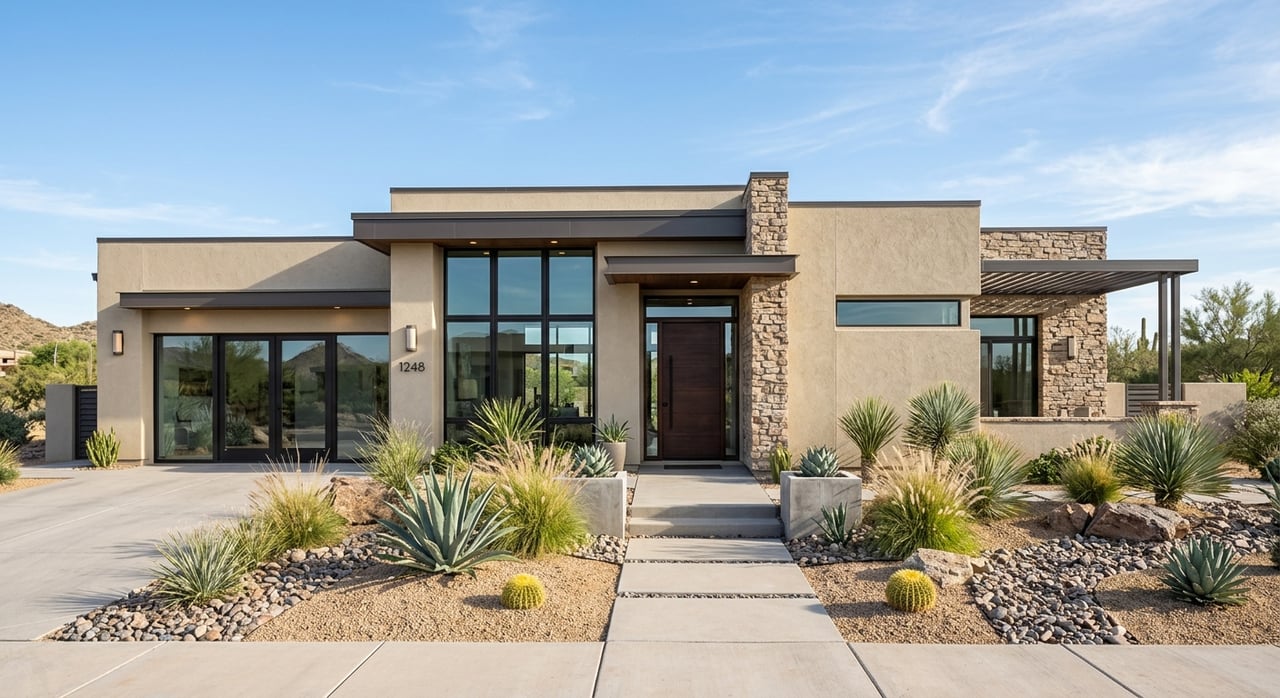
Real estate is more than a purchase— it’s a foundation for your future. Buy, sell, and invest with purpose, building generational wealth that endures. The choices you make today shape a legacy that stands the test of time.
7633 E ACOMA DR UNIT 208B SCOTTSDALE AZ 85260