
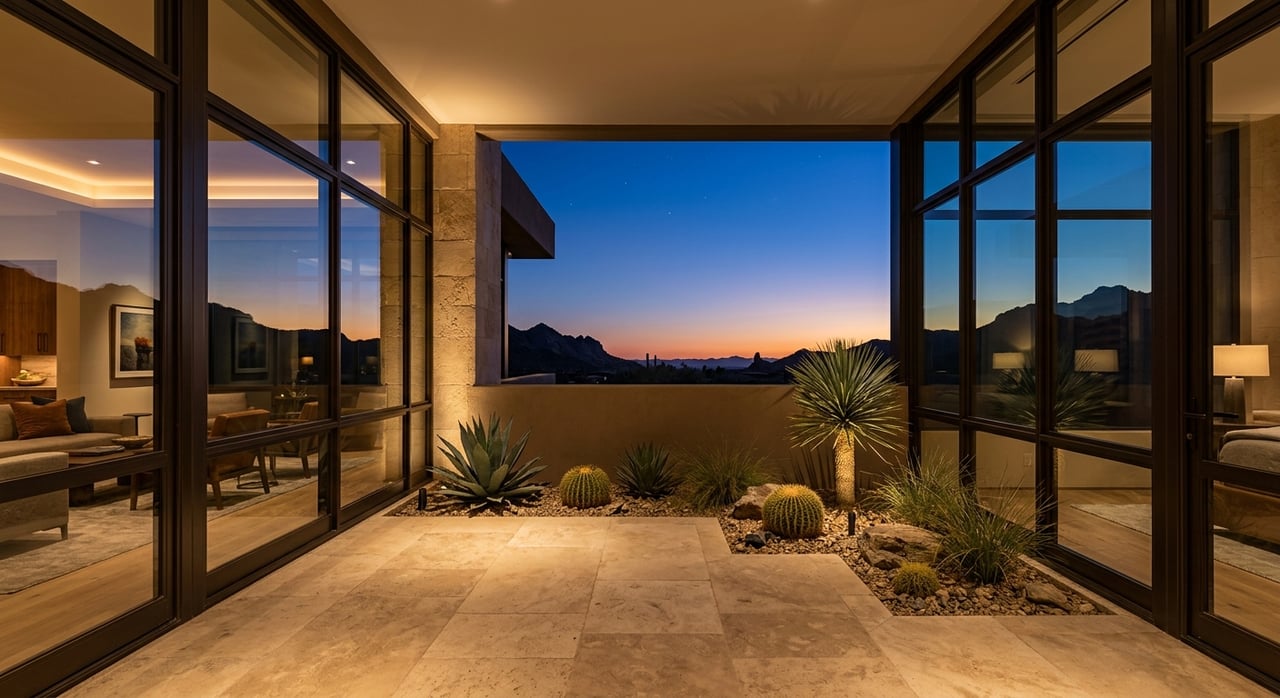
What makes a view home in Paradise Valley truly stand out? It is rarely just a high perch or a dramatic photo. In a market where scenery is part of the town’s identity, the best view homes combine setting, design, privacy, and long-term enjoyment in a way that feels effortless day after day. If you are searching for a home that feels both beautiful and enduring, it helps to know what actually creates lasting value. Let’s dive in.
Paradise Valley treats scenery as more than a private luxury. The Town’s 2022 General Plan emphasizes preserving aesthetics, natural open space, mountain ridgelines, and dark night skies. It also highlights the importance of protecting views from public corridors and limiting development impacts on neighboring properties.
That planning framework shapes the experience of living here. Paradise Valley remains a low-density residential community with a strong one-acre-lot identity, and the general plan shows that single-family residential land makes up about 75.94% of the planning area, while open space accounts for about 10.73%. For you as a buyer, that often means more breathing room, wider setbacks, and a better chance of enjoying a view that feels calm rather than crowded.
There is one important nuance to understand. The Town helps shape public view corridors and regulates things like height, bulk, setbacks, and visual openness, but it does not guarantee every private view will remain unchanged. That is why the strongest view homes usually rely on topography, open space, and thoughtful design, not just a desirable address.
Mountain views are the signature Paradise Valley experience. The Town specifically identifies Camelback Mountain, Mummy Mountain, and the Phoenix Mountain Preserve as defining scenic resources, and its hillside development rules recognize those mountains as valuable visual landmarks.
The best mountain-view homes do more than catch a distant peak. They frame a broad ridgeline from the spaces you actually use, like the great room, kitchen, primary suite, and patio. In other words, the view should feel like part of daily life, not a bonus visible from one lucky corner.
City lights can create a striking luxury setting, especially in the evening. They often add sparkle, depth, and a sense of connection to the wider Valley.
In Paradise Valley, though, city lights should be judged with the Town’s dark-sky priorities in mind. A strong night view is not only about brightness. It is about whether the setting still feels peaceful, refined, and intentional after sunset.
Paradise Valley’s general plan identifies three private golf courses in town: Paradise Valley Country Club, Camelback Golf Club, and Mountain Shadows Golf Club. These views can feel especially open because they often pair green foreground space with long sightlines and mountain backdrops.
That said, golf course views deserve a closer look when it comes to permanence. Because these are private golf course areas rather than protected natural preserves, they may be more changeable over time than mountain or open-space views. If you love a golf view, it is wise to balance beauty with durability.
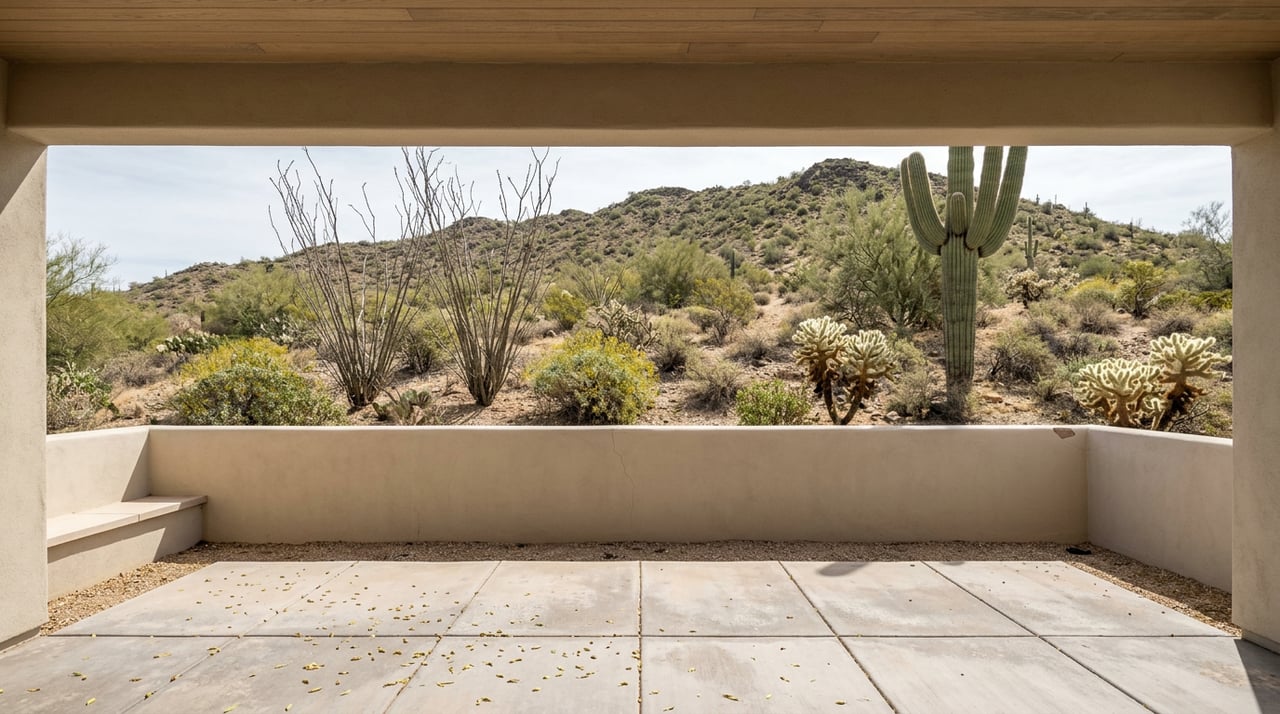
Some of the most compelling homes in Paradise Valley do not rely on a dramatic single focal point. Instead, they offer a layered outlook with desert landscaping in the foreground, a wash or open area in the middle distance, and mountains beyond.
This type of composition can feel especially private and serene. The Town’s open-space policies emphasize washes, rights-of-way, natural features, and scenic corridors, which helps explain why these quieter views can be just as memorable as a panoramic mountain shot.
A great lot alone does not guarantee a great view home. The way a house sits on the lot, faces the landscape, and connects indoor and outdoor living often makes the biggest difference.
Site orientation matters because it affects both the experience of the view and the comfort of the home. Design guidance referenced in the research shows that orientation should account for surrounding views and daylight, and that proper orientation with respect to the sun can reduce energy use by 30% to 40%. For you, the practical question is simple: does the home turn toward the view, or does it merely happen to have one?
Windows also play a major role. Research from the National Fenestration Rating Council notes that windows are a building’s visual connection to its environment, and in many cases one large window can work better than several smaller ones when the goal is to highlight natural beauty.
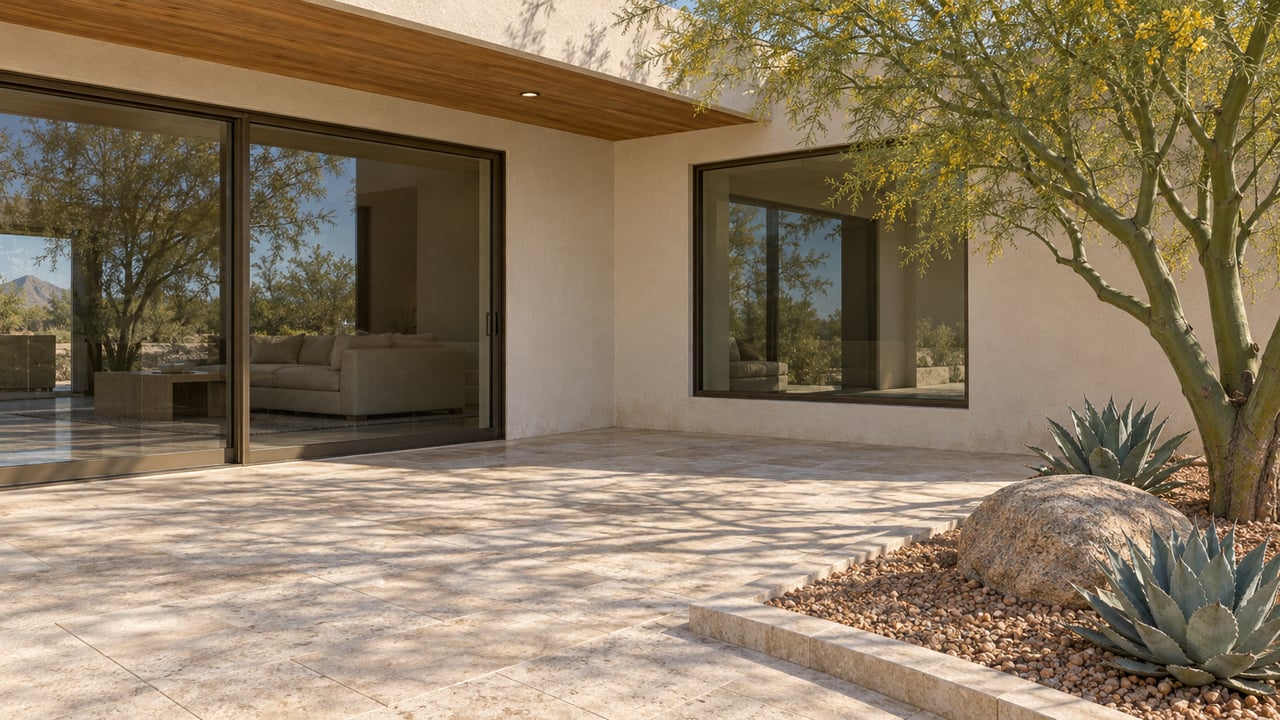
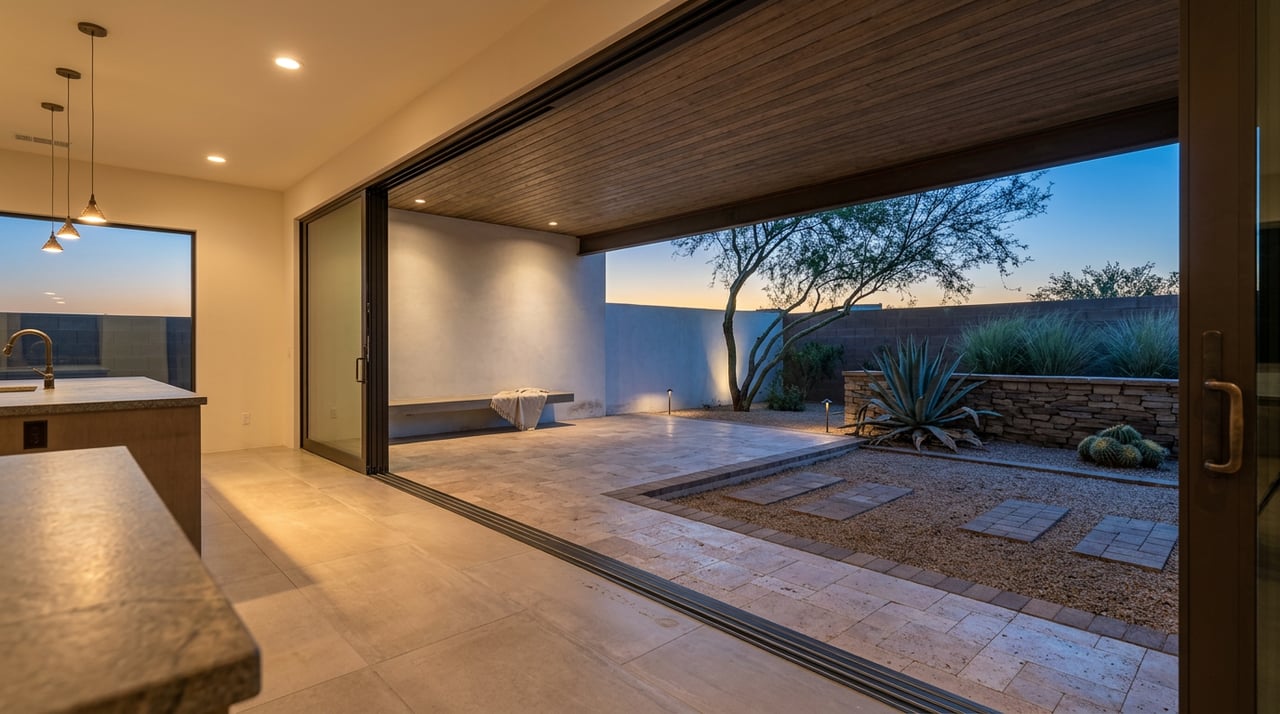
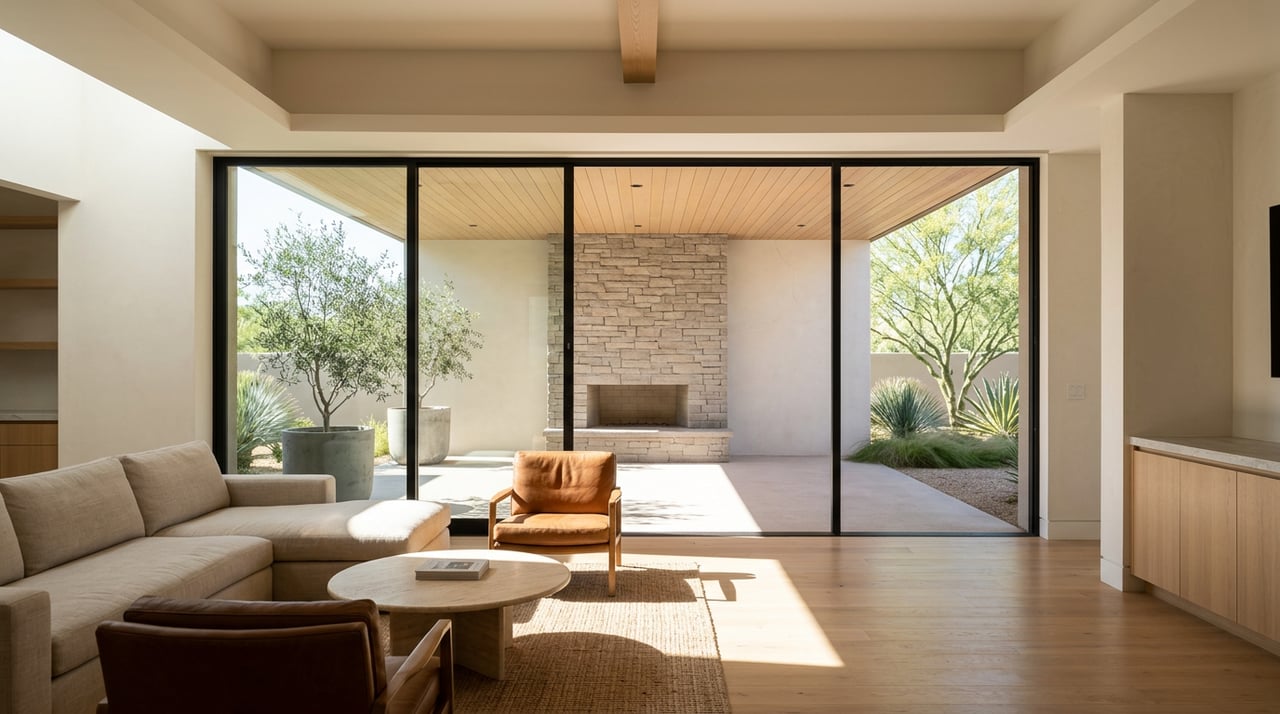
That is why the best homes often feel view-first in their planning. Large picture windows, broad sliders, and well-placed outdoor rooms can make the scenery visible from morning coffee to evening entertaining. Landscaping can also help preserve privacy without sacrificing sightlines.
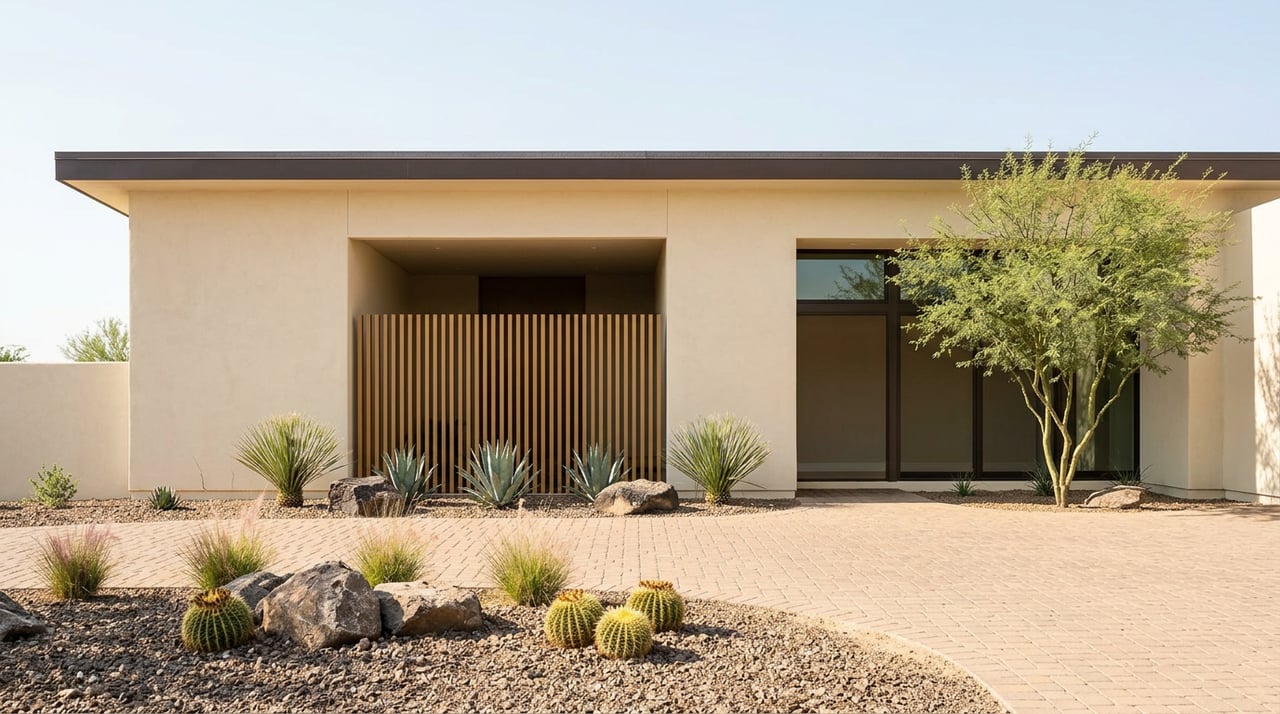
Paradise Valley’s own zoning approach supports this idea. The Town regulates height, bulk, and open space, applies special hillside limits in scenic areas, and uses walls and fences rules that encourage visual openness. In practice, the most memorable view homes often feel low-profile and well-composed rather than oversized or visually busy.
When buyers talk about a “great view home,” they are usually describing four qualities working together.
A strong view should have presence. That might mean a wide Camelback ridgeline, a layered desert wash outlook, or a refined city-lights backdrop that feels elegant at night.
What matters most is not just seeing something attractive. It is having a sightline that feels broad, intentional, and connected to the home’s main living areas.
Long-term enjoyment depends on what supports the view. Mountain backdrops and natural open-space relationships often feel more stable than views that depend heavily on neighboring private parcels.
This is especially important in Paradise Valley because the Town does not regulate open-space views from private property. A beautiful view today may not carry the same long-term certainty unless the setting itself helps protect it.
Two homes can face the same mountain and feel completely different. One may celebrate the setting with calm massing, generous glass, and a thoughtful patio layout. The other may interrupt the experience with poor orientation, glare, or visual clutter.
The difference often comes down to design choices. The strongest homes frame the landscape instead of competing with it.
A view should still feel livable. If the best sightline only works from an upper balcony you rarely use, or if the home feels exposed and noisy, the view may not deliver the experience you want.
Paradise Valley’s planning vision repeatedly emphasizes privacy, tranquility, and reduced visual clutter. The best view homes reflect those same qualities in everyday living.
If you are comparing homes, a simple checklist can help you look beyond the listing photos.
Ask what is actually protecting the view. Is it backed by mountain terrain, open space, or another durable feature, or does it depend on a neighboring lot or private golf land?
This may be the single most important long-term question. In a market at Paradise Valley’s price point, durability matters just as much as beauty.
A partial glimpse is different from a full outlook. Research on scenic value shows that the market does respond to views, but the premium depends on the specific characteristics of the view rather than the label alone.
As you tour, pay attention to how wide the sightline feels and whether it carries smoothly across the home. A narrow angle from one window may not deliver the same enjoyment as a broad, continuous backdrop.
Think about how often you will actually enjoy the view. Can you see it from the kitchen, great room, primary suite, and outdoor living space, or only from one secondary area?
The best view homes make scenery part of ordinary routines. That is what turns a luxury feature into a lasting lifestyle benefit.
Morning light, late afternoon shadows, and nighttime conditions can all change how a home feels. This matters in Paradise Valley because scenic beauty and dark-sky character are both part of the town’s identity.
A home that looks impressive at one hour may feel very different later in the day. Seeing it more than once can reveal whether the experience stays strong.
A beautiful backdrop should still come with a sense of retreat. Even a wide-open view can lose appeal if nearby traffic, neighboring sightlines, or visual clutter undercut the calm feeling you want.
In Paradise Valley, many buyers are looking for both scenery and serenity. A truly great view home usually gives you both.
A better view does not automatically make a home the best fit. Floor plan, lot usability, and outdoor living can matter just as much, especially if you plan to live in the home for many years.
Often, the strongest purchase is the one that balances a meaningful view with a well-functioning home. That combination tends to age well.
Paradise Valley sits firmly in the multimillion-dollar tier, even though different market trackers report different numbers. Zillow reported an average home value of about $3.50 million and a March 31, 2026 median sale price of $3.66 million. Redfin reported a March 2026 median sale price of $4.8 million, and Realtor.com reported a March 2026 median listing price of about $4.99 million.
Those figures are not directly comparable, but they point to the same reality. In Paradise Valley, a view home is rarely just an amenity upgrade. It is often a legacy purchase where design, permanence, and daily enjoyment should all be weighed carefully.
In Paradise Valley, the best view homes are not simply the highest or the most dramatic on first glance. They are the homes where a meaningful view corridor, a more durable outlook, thoughtful architecture, and day-to-day privacy all work together.
That is what gives a property staying power. The most valuable view is often the one that still feels calm, beautiful, and usable long after the first showing ends.
If you are weighing view homes in Paradise Valley and want a thoughtful, concierge-level perspective on how setting, design, and long-term value come together, Timeless is here to help you buy or sell with confidence.

Real estate is more than a purchase— it’s a foundation for your future. Buy, sell, and invest with purpose, building generational wealth that endures. The choices you make today shape a legacy that stands the test of time.
7633 E ACOMA DR UNIT 208B SCOTTSDALE AZ 85260